
,format(webp))
“Smart Casual” sounds familiar and simple, but sometimes it can’t be avoided that when we’re given the smart casual code, we might show up as too polished or that we might look like we’re heading into a boardroom presentation. On the other hand, we could look too relaxed, which suddenly feels like we didn’t put any importance or effort into showing up.
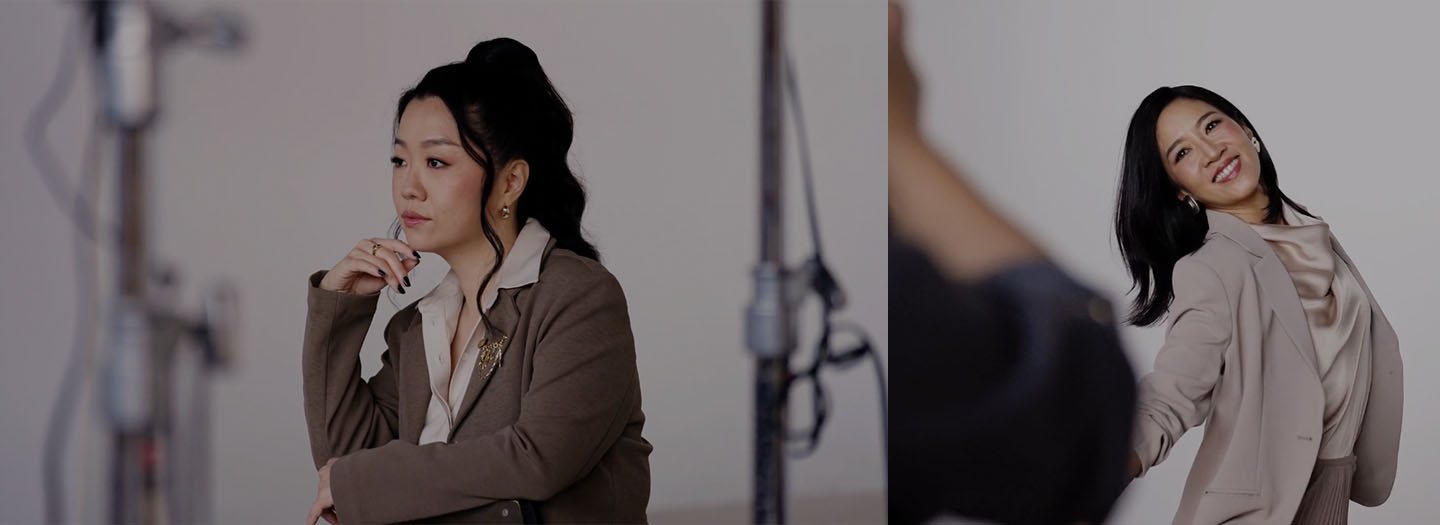
Smart casual can be confusing because it sits in that middle ground between dressed-up and dressed-down. But when you get it right, smart casual becomes your easiest, most reliable way of dressing — for work, last-minute meetings, after-hours dinners, or even those “quick coffee” catch-ups that somehow turn into a full evening.
Think of it as a version of you who’s effortlessly put together. Confident, but still comfortable. Stylish, but still feels like you.
Let’s break it down so it’s easy to understand:
What Smart Casual Really Means
Smart casual isn’t about following strict rules but about balancing between structured office wear and your everyday outfits. Think tailored pieces complemented by softer, more relaxed elements.
You’re still dressing in a polished, put-together way. You’re just choosing more relaxed, comfortable pieces.
Here are a few easy ways to help you visualise your smart casual outfit:
A blazer over a simple tee
Tailored trousers with a relaxed knit top
A clean, structured dress that you can move in all day
Dressing smart casual is more about creating an overall look and how you style everything together, rather than the specific pieces you’re wearing.
The difference between “just casual” and “smart casual” often comes down to the details—the fit, the fabric, and how intentional the outfit feels.
The Foundation: Colours That Always Work

If you’ve ever struggled to put together an outfit in the morning, choosing the right colours will help you simplify dressing up.
Smart casual wardrobes tend to lean on neutral tones — and there’s a reason for that.
Black
Navy
Beige
Grey
White (yes, it works for the office — not just weddings)
These colours do the work and pull your whole look together. Your outfit will look polished, even when you choose relaxed silhouettes. But don’t let this tip stop you from going beyond neutrals.
A soft pop of colour can make your outfit feel more you:
#1: Muted pastels for something feminine and easy
#2: Earth tones like olive or rust when you want a bit more depth
#3: A single bold colour (like cobalt or deep red) when you want to stand out — just keep everything else minimal
The smart casual dress code isn’t about boring outfits. You can still experiment with your style and choose colours that feel like you. As long as the overall look feels put-together, you’re good.
When (and Where) Smart Casual Actually Makes Sense
Smart casual isn’t just an office dress code anymore. It’s become part of how modern workplaces and lifestyles function.
You’ll see it everywhere:
Start-ups and creative industries
Marketing, media, and tech environments
Internal meetings or casual client days
Networking events or work dinners
Even weekend plans where you still want to look put-together
It’s also what many of us default to when we need an outfit that works from day to night.
Realistically, your day doesn’t end at 6 PM. You might start with meetings, move into errands, and end with dinner (or even a nightcap!) with friends or family. Smart casual lets you do all of that without needing a full outfit change.
The Unspoken Rules for Smart Casual Dress Code
Smart casual gives you flexibility but not complete freedom to wear whatever you want. There’s a thin line between effortless and sloppy. When you cross that line, the outfit stops looking intentional and put-together. Here’s what to avoid:
Anything overly worn-out or distressed
Pieces that feel too sporty (think gymwear, hoodies, leggings)
Short hemlines or overly revealing cuts
Loud graphics or overwhelming prints
Flip-flops or overly casual sandals
It’s not about being restrictive. Simply balance relaxed pieces with refined silhouettes or details. If something feels like you’d wear it to lounge at home, it’s probably not smart casual.
How to Build a Smart Casual Outfit (Without Overthinking)
Let’s keep this simple and practical.
When you’re getting dressed, you don’t need to rethink your entire wardrobe. Just anchor your outfit with one structured piece and build around it.
1. Start with a Strong Base
You can try:
Tailored trousers
A midi skirt
A structured dress
These pieces immediately elevate your look, even before you add anything else.
2. Add Something Soft or Relaxed
Balance it out with:
A simple tee in a quality fabric
A soft blouse
A lightweight knit
This is where comfort comes in, especially in warm, humid climates where breathability matters more than anything.
3. Throw On An Extra Layer
A blazer, cropped jacket, or cardigan can instantly pull everything together. Plus, you’ll be glad to have that extra layer when you’re in overly air-conditioned offices.
4. Finish with the Right Shoes
Shoes can make or break the outfit.
Loafers = effortless and polished
Low heels or pumps = classic and safe
Clean, minimal sneakers = modern and acceptable (depending on your office)
If your shoes look intentional, your whole outfit feels considered.
5. Add Just Enough Accessories
Accessories act as the finishing touch to your look. You don’t need much—just a few pieces to bring it together.
A structured bag
Simple jewellery
A belt to define your waist
The goal isn’t to overload your outfit. No need to pile them on—just a few elegant touches to bring everything together.
Smart Casual Outfit Ideas You’ll Actually Wear
Inspiration is helpful, but real-life outfits are better. Here are a few outfit formulas that you can try on to ace the smart casual dress code.
The Everyday Office Look
For those mornings when you just need something that works.
Tailored trousers in a neutral tone
A breathable blouse or knit top
A blazer for structure
Loafers or low heels
It’s clean, reliable, and appropriate for almost any office setting.
The “I Have Plans After Work” Look
You want something that transitions without effort.
A midi dress that isn’t too formal
A light outer layer (blazer or cropped jacket)
Comfortable but polished shoes
Add bold or statement accessories, and you’re ready for dinner without needing a full change.
The Relaxed Smart Casual Look
For easy days, creative environments, or casual Fridays.
A high-quality basic tee
Sharp trousers or a midi skirt
A soft cardigan
Sleek sneakers or flats
This is where comfort leads, but balanced with structure.
Save This! List of Wardrobe Staples That Can Make Your Life Easier
If you’ve ever said, “I have nothing to wear”, chances are you’re missing a few key pieces.
These are the ones you’ll keep reaching for:
Tailored trousers that actually fit well
A versatile midi dress
A blazer that works with everything
A good-quality basic tee or blouse
A lightweight knit for layering
Smart, comfortable shoes you can walk in
A structured bag that pulls your look together
Once you have these, getting dressed feels less like a struggle and more like a quick decision.
Smart Casual vs. Everything Else
If you’re still unsure where smart casual sits, here’s a simple way to look at it:
Business attire → Formal, structured, traditional
Business casual → Still polished, but slightly more relaxed
Smart casual → Balanced, modern, and flexible
Casual → Comfortable, but often too relaxed for work
Smart casual is the middle ground that actually fits how most of us live and work today.
Final Thoughts: Make It Work for Your Life
Here’s the thing about smart casual, it’s not just about looking good but about choosing pieces that adapt to your life. Your day isn’t just one thing. It has different parts, moods, and moments.
You’re moving between meetings, messages, errands, and social plans—all while trying to feel like yourself in what you wear.
So instead of asking, “Does this fit the dress code?”, Try asking:
Can I wear this for a full day without discomfort?
Does this feel like me, just slightly more put-together?
Can this outfit take me from work to wherever I’m going next?
Because when your clothes keep up with your life — not slow you down — that’s when you’ve truly nailed smart casual.
And once you get there? You stop overthinking.
You just get dressed, walk out the door, and get on with your day—looking exactly as you should: effortless, capable, and completely yourself.