

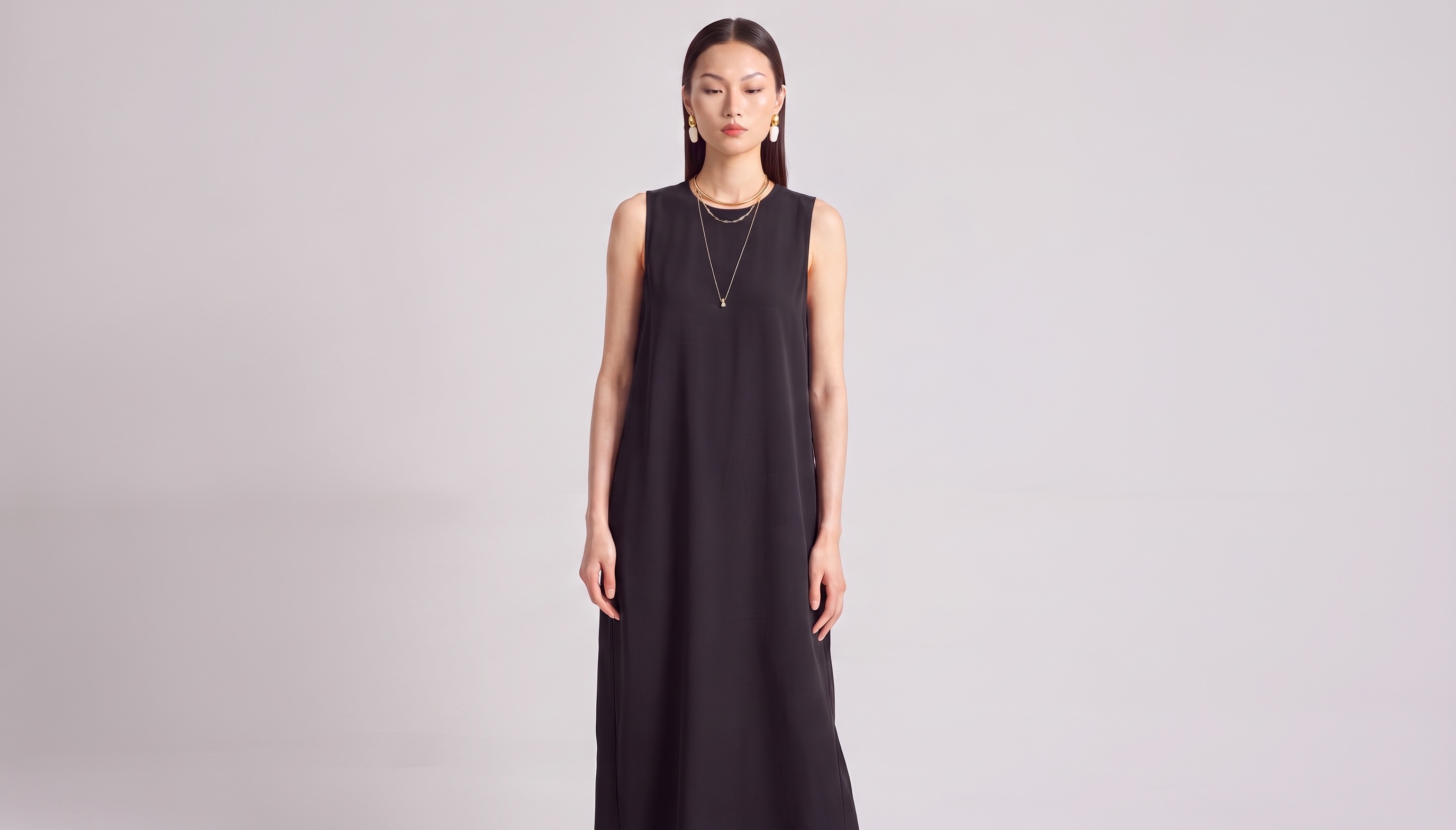
Some dresses might be able to do all the work for you. No complicated styling, no figuring out whether the proportions work, and no need for five different accessories to make the outfit feel complete. Well, we think that shift dress is one of them.
With its clean lines, relaxed silhouette, and easy-to-style shape, the shift dress has earned its place as a wardrobe staple. It works for office days, weekend brunches, holidays, and those occasions when you want to look put-together without feeling overdressed.
But what exactly makes a dress a shift dress? How is it different from a sheath dress, and how do you style one for your everyday life?
Let's get into it.
So What Is Actually a Shift Dress?
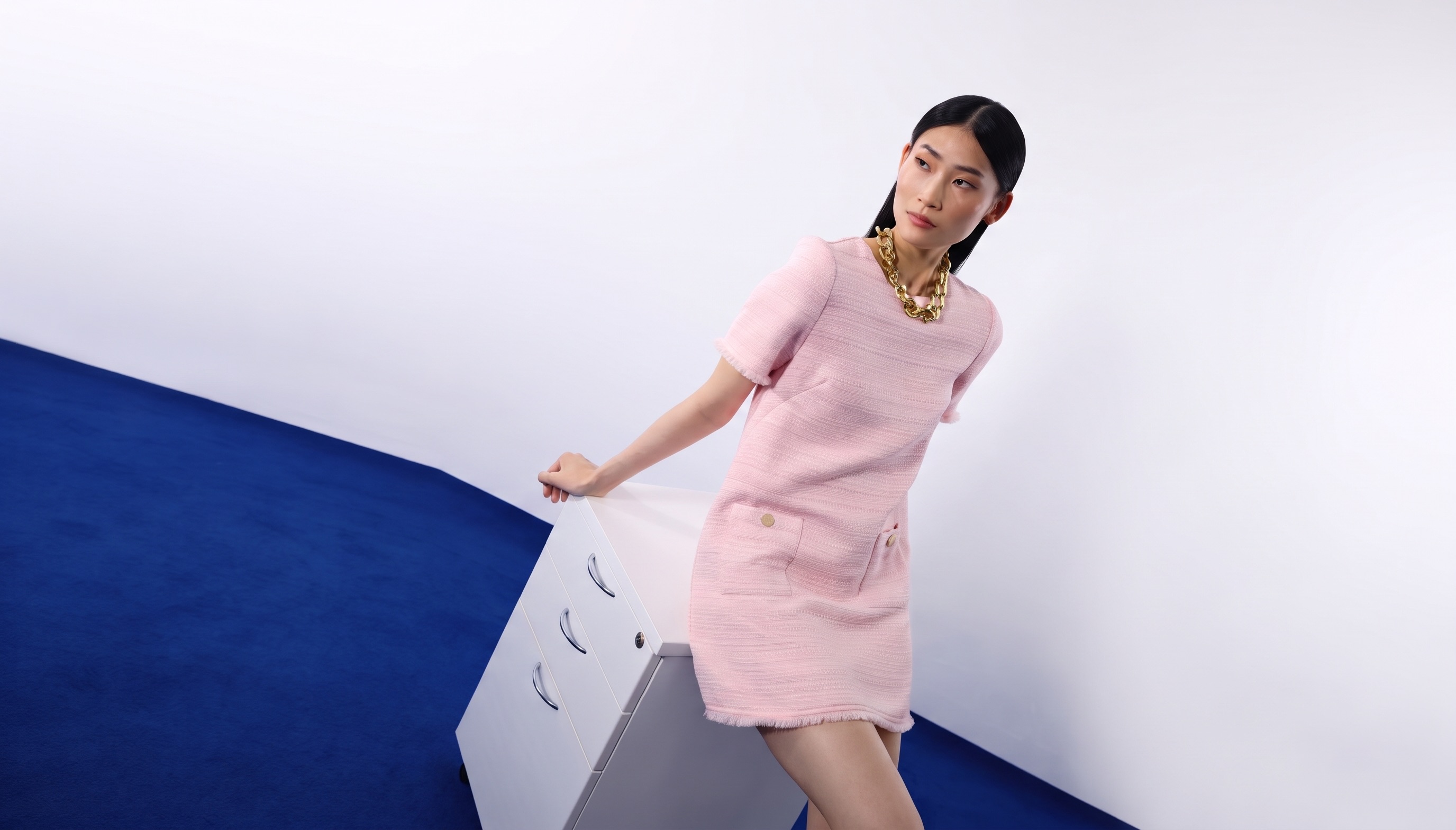
A shift dress is a dress with a relatively straight silhouette that hangs loosely from the shoulders, without closely following the body's natural curves. It typically has minimal shaping at the waist, creating a relaxed, clean look that's easy to move in.
Shift dresses are often sleeveless, with a round or boat neckline, and fall around the knee or above it. However, modern versions come in different sleeve lengths, necklines, and hemlines, so there's plenty of room to find a style that suits you.
The defining feature isn't the length or whether it has sleeves. It's the silhouette: a shift dress skims the body rather than clinging to it
Think of it as the dress equivalent of your favourite effortless outfit. It gives you a little breathing room while still looking intentional.
Why Is It Called a Shift Dress?
The shift dress is closely associated with the fashion revolution of the 1920s and the more relaxed silhouettes that challenged restrictive womenswear. Designers, including Coco Chanel, helped popularise clothing that moved away from heavily structured garments and corseted waists.
The style became especially iconic in the 1960s, when simple, geometric silhouettes reflected a fresh approach to fashion. Designers such as Mary Quant and others associated with the era helped make the short, straight dress a symbol of modern youth culture.
Today, the shift dress continues to evolve. You'll find everything from minimalist workwear styles to playful printed dresses and elevated occasionwear.
The appeal, however, remains the same: uncomplicated dressing that leaves room for your personal style.
What Makes a Shift Dress Different?
Not every loose-fitting dress is a shift dress. The silhouette, fabric, and construction all contribute to how it looks and feels.
Here are a few details to look out for when shopping for one.
1. A straight silhouette
A shift dress generally falls straight from the shoulders through the body. It doesn't rely on a defined waist or a heavily flared skirt to create its shape.
2. Minimal waist shaping
Unlike fitted dresses, shift dresses don't usually have prominent waist seams, darts, or belts designed to emphasise the waist. Some modern versions have subtle shaping, but the overall effect remains relaxed.
3. Comfortable room to move
Because the dress isn't designed to hug every curve, it can feel less restrictive than a fitted style. The amount of ease depends on the cut and fabric, so look for a size that allows you to move comfortably without the dress feeling oversized.
4. Simple, versatile styling
Shift dresses work well with minimal accessories because their silhouettes are already clean and uncomplicated. A structured bag, a pair of statement earrings, or a great shoe can be enough to complete the look.
5. Fabric that holds its shape
Cotton poplin, linen blends, crepe, and structured woven fabrics can work beautifully for shift dresses. Softer fabrics can create a more fluid silhouette, while heavier materials may give the dress a sharper, more architectural feel.
The best choice depends on the occasion and the look you're going for.
Shift Dress vs. Sheath Dress: What's the Difference
These two styles can look similar at first glance. Both often feature simple lines, relatively understated details, and knee-length or shorter hemlines. The biggest difference is how they fit your body.
A shift dress creates a straighter line from the shoulders down, while a sheath dress typically follows the bust, waist, and hips more closely.
Neither is inherently better than the other. It comes down to what you feel comfortable wearing and the look you want to achieve.
Choose a shift dress when you want a relaxed silhouette with minimal fuss. Reach for a sheath dress when you prefer a more tailored shape for work, formal occasions, or a polished everyday outfit.
And if you're somewhere in between? A softly tailored dress can give you the best of both worlds.
How to Style a Shift Dress for Different Occasions
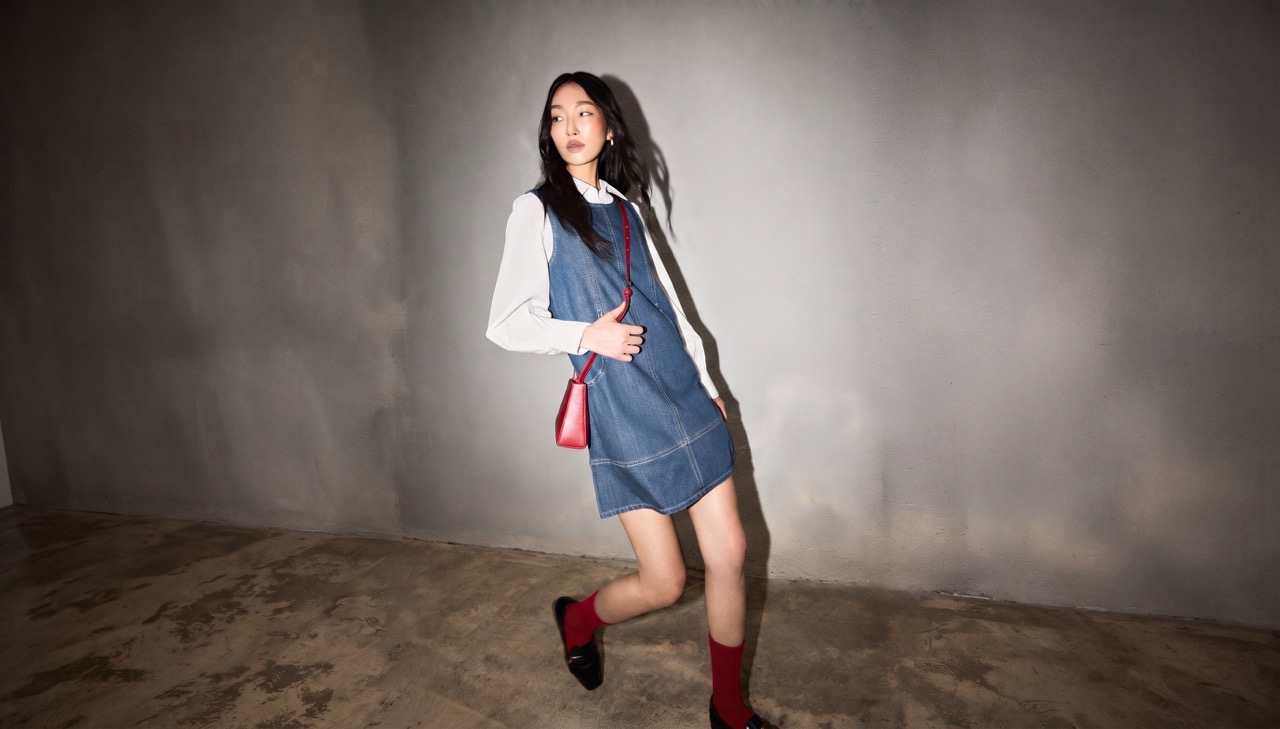
One of the best things about a shift dress is how easily it adapts to different settings. The same basic silhouette can feel casual, professional, or dressed up depending on your choice of fabric, colour, shoes, and accessories.
Here's how to make it work for your wardrobe.
1. For Work: Polished Without Feeling Overdressed
A shift dress is a reliable option for office days when you want to look professional without spending too much time planning your outfit.
Choose a style in a neutral colour, such as black, navy, beige, or chocolate brown, or opt for a subtle print if your workplace allows a little more personality. A structured shift dress in cotton, crepe, or another fabric that holds its shape can look especially refined.
Pair it with loafers, ballet flats, or low heels. Add a blazer if you want more structure, and finish with a work bag that complements the clean silhouette.
For warmer days, a sleeveless shift dress can be a comfortable alternative to a more fitted work dress. Just check your office dress code and bring a light layer if you need one.
Styling tip: Keep the accessories simple and let the silhouette do the work. A well-fitting dress, polished shoes, and a structured bag are often all you need.
2. For Weekend Plans: Easy, With a Little Personality
Weekend dressing should leave room for spontaneity. Whether you're meeting friends for brunch, browsing a bookstore, or wandering around the city, a shift dress makes getting dressed feel refreshingly uncomplicated.
Try a cotton shift dress in a playful colour, a striped version, or a style with subtle embroidery. Pair it with clean sneakers, flat sandals, or comfortable ballet flats.
A crossbody bag keeps things practical, while sunglasses and small earrings add a little personality without making the outfit feel overstyled.
If you prefer a more relaxed look, choose a slightly looser silhouette. If you want something more polished, look for clean seams and a fabric with a little more structure.
Styling tip: Don't overthink it. A shift dress, comfortable shoes, and your everyday bag can be all the outfit you need.
3. For Date Night: Let the Details Do the Talking
A shift dress doesn't have to be casual. With the right fabric and accessories, it can feel just as appropriate for dinner, drinks, or an evening out.
Look for satin-inspired finishes, subtle texture, interesting necklines, or a rich colour that makes the dress feel special. A black shift dress is a classic option, but deep red, emerald, or soft metallic shades can make a lovely alternative.
Add strappy heels or elegant flats, a compact shoulder bag, and statement earrings. If the evening calls for an extra layer, a tailored blazer or cropped jacket can add structure without overwhelming the silhouette.
Styling tip: Choose one standout detail rather than adding everything at once. If your dress has an interesting neckline, keep the jewellery simple. If the dress is minimal, let your accessories bring in a little drama.
4. For Holidays: Comfortable Enough to Explore
When you're travelling, versatility matters. You want pieces that are easy to pack, comfortable to wear, and suitable for more than one activity.
A lightweight shift dress can take you from sightseeing to a casual lunch with minimal changes. Cotton and linen blends are good options for warm-weather destinations, while a more structured fabric may work better if you want a polished look for city exploring.
Style your dress with flat sandals or sneakers during the day. For dinner, switch to dressier footwear, add earrings, and carry a smaller bag.
If you're packing light, choose a solid colour that works with several pairs of shoes and accessories. A simple dress can create multiple outfits without taking up too much suitcase space.
Styling tip: Consider the destination's climate and how much walking you'll be doing. A beautiful outfit is even better when you can comfortably wear it all day.
5. For Special Occasions: Simple Doesn't Mean Ordinary
For birthday celebrations, daytime weddings, garden parties, and other special occasions, a shift dress can be a refreshing alternative to a fitted cocktail dress.
Look for elevated details such as textured fabric, delicate embellishments, an interesting neckline, or a bold colour. These can make a simple silhouette feel occasion-ready without requiring a complicated outfit.
Pair the dress with dressy sandals, a clutch, and refined jewellery. For weddings, consider the venue, the formality of the invitation, and any colour guidance from the couple.
If the occasion has a formal dress code, check that the style and fabric are appropriate. A casual cotton shift dress may be perfect for a garden party but less suited to a black-tie evening.
Styling tip: Start with the dress code, then make the look your own. You don't need a dramatic silhouette to make an impression.
Are Shift Dresses Flattering?
Short answer: they can be. But flattering doesn't have to mean making your body look smaller, hiding certain areas, or following a particular set of proportions.
A shift dress creates a relatively straight line through the body, which some people love for its relaxed feel and others may prefer to style with more definition. The right choice depends on your comfort, personal style, and how you want the dress to sit.
If you prefer a more defined waist, try a shift dress with subtle shaping or add a belt if the fabric and construction work with it. Keep in mind that adding a belt changes the silhouette, bringing it closer to a more defined shape.
If you like a clean, straight look, choose a dress that skims your body without pulling across the bust or hips. Pay attention to shoulder seams and armholes, too, since these details can make a big difference to the overall fit.
If you prefer more coverage around the arms, look for a short-sleeved or elbow-sleeved version. If you enjoy showing your legs, try a shorter hemline; if you prefer more coverage, a knee-length or midi variation may feel more comfortable.
The most important thing is finding a fit that lets you move naturally and feel good in your clothes.
How to Choose the Right Shift Dress for You
With so many variations available, finding a shift dress is less about following strict rules and more about knowing what works for your lifestyle.
Here are four things worth considering before you choose one.
1. Start with the occasion
Think about where you'll wear the dress most often. A structured, neutral style may be useful for work, while a printed cotton version might suit weekend plans. If you want something versatile, choose a design that can be dressed up or down with accessories.
2. Pay attention to the fit.
A shift dress should generally hang straight, but it shouldn't feel restrictive or fall awkwardly. Check the shoulder seams, bust, armholes, and hip area. You want enough room to move comfortably without the fabric bunching or pulling.
3. Choose a fabric that suits your climate.
For warm and humid weather, breathable cotton and lightweight linen blends can be practical choices. For air-conditioned offices or evening occasions, crepe and other structured fabrics may offer a more polished finish.
Consider the fabric's opacity, lining, and how easily it wrinkles, especially if you plan to wear the dress for long days or while travelling.
4. Think about what you already own.
A versatile shift dress should work with more than one item in your wardrobe. Consider whether you can style it with your existing shoes, bags, jewellery, and outerwear.
If one dress works for the office, weekend plans, and dinner with friends simply by changing your accessories, that's a wardrobe staple worth keeping.
The Final Word: An Easy Dress, Your Way
The shift dress is proof that a good outfit doesn't need a complicated formula.
With its straight silhouette, relaxed fit, and clean lines, it's a versatile option for everything from office days to weekend plans and special occasions. Wear it with sneakers for a casual look, add a blazer for work, or bring out the accessories when the evening calls for something extra.
And remember, there's no single way to wear a shift dress. You can keep it minimal, play with colour, experiment with proportions, or make it your own with the pieces you already love.
The goal isn't to dress according to someone else's idea of what looks good. It's to find clothes that fit your life, reflect your style, and make getting dressed feel a little easier.
Sometimes, that's exactly what your wardrobe needs.